Compare Local Contractors for Livestock Fencing Installation
Compare local contractors for livestock fencing installation to define project scope, verify experience, and establish clear expectations for a successful outcome.
Contractors specializing in livestock fencing installation typically handle a range of tasks to create secure and functional enclosures for agricultural properties. This work often includes planning the layout of the fence, selecting appropriate materials such as wire, wood, or vinyl, and installing posts and fencing components to ensure durability and safety. Depending on the property’s needs, contractors may also offer services like clearing land, installing gates, and ensuring the fencing complies with local regulations or property boundaries. Understanding what the scope of work covers helps property owners communicate their specific requirements and ensures the project aligns with their goals.
Defining the scope of livestock fencing installation is crucial for setting clear expectations and avoiding misunderstandings. Property owners should consider factors such as the type of animals being contained, the size and topography of the land, and any special features like gates or access points. Clearly outlining these details in written agreements with contractors helps ensure everyone is aligned on what will be delivered. It also provides a reference point for addressing changes or issues that may arise during the project, fostering transparency and minimizing potential disputes.
When comparing local contractors for fencing work, property owners can evaluate their experience with similar projects, the range of services offered, and their reputation within the community. It’s helpful to verify how each contractor approaches project scope and communication, ensuring they can provide detailed estimates and written agreements. Checking references or reviews can offer insights into their reliability and quality of work. By taking these steps, property owners can make informed decisions and select service providers capable of meeting their fencing needs with professionalism and clarity.
Compare local contractors by outlining project priorities, verifying experience, and setting clear expectations in writing.
- Compare Local Contractors - review multiple service providers to find the best match for livestock fencing needs.
- Define Project Scope - clearly outline the fencing type, length, and materials to ensure accurate expectations.
- Verify Experience - assess the background and expertise of contractors to ensure quality workmanship.
- Document Details in Writing - establish project scope, materials, and responsibilities through written agreements.
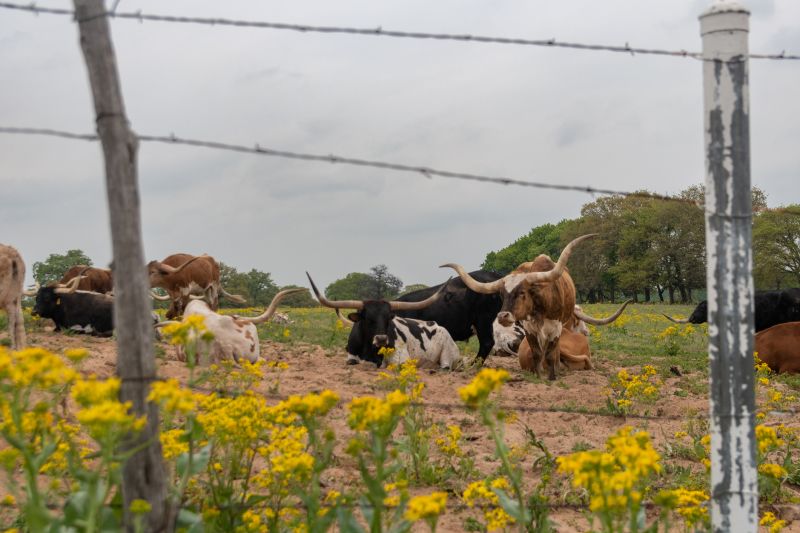
Clearly describe your livestock fencing project and compare local contractors based on experience and scope to set clear expectations.
- Verify the experience and reputation of local contractors specializing in livestock fencing installation. - Ensure service providers have a proven track record of completing fencing projects similar in scope and livestock type.
- Define the scope of work clearly in writing to outline materials, fencing type, and installation requirements. - Clear documentation helps prevent misunderstandings and sets expectations for the project.
- Compare multiple local contractors to assess their expertise, services offered, and customer feedback. - Gathering information from various sources allows for informed decision-making.
- Check that contractors understand local regulations and zoning requirements related to livestock fencing. - Ensuring compliance can prevent future legal or approval issues.
- Request detailed written proposals that specify materials, workmanship standards, and project scope. - Written agreements provide a reference point throughout the project.
- Discuss and agree upon the project timeline, responsibilities, and communication expectations upfront. - Clear expectations help facilitate a smooth installation process.
Compare local contractors, define project scope clearly, verify experience, and set expectations in writing.
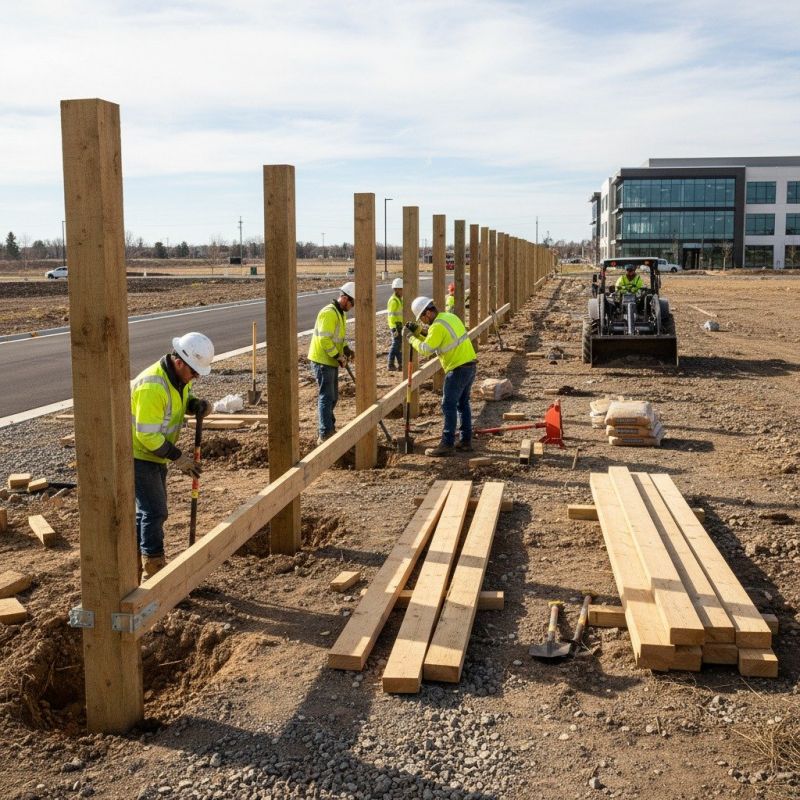
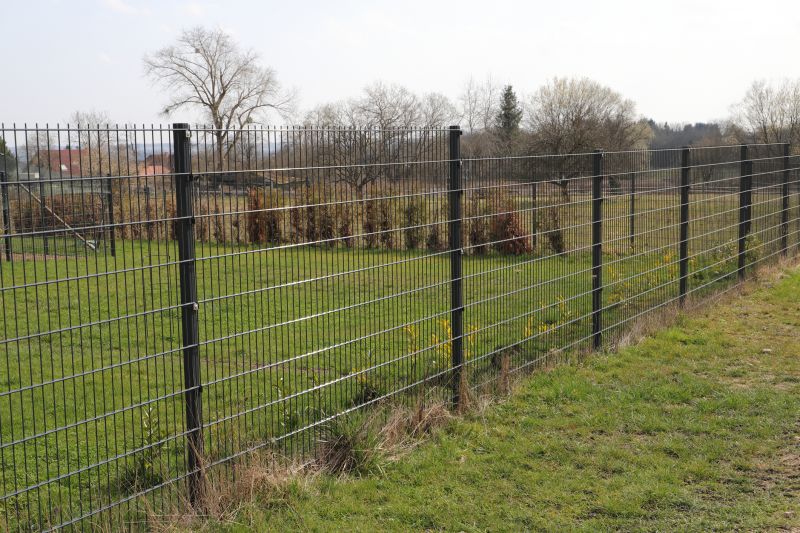
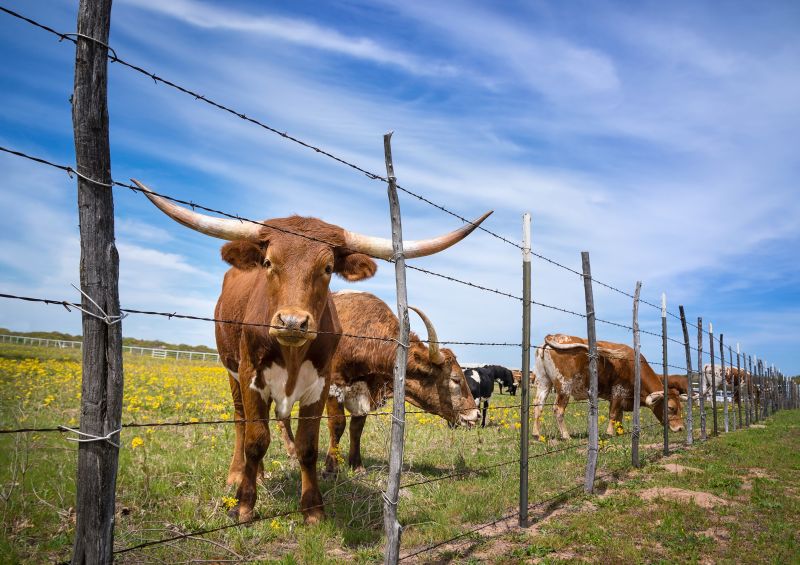
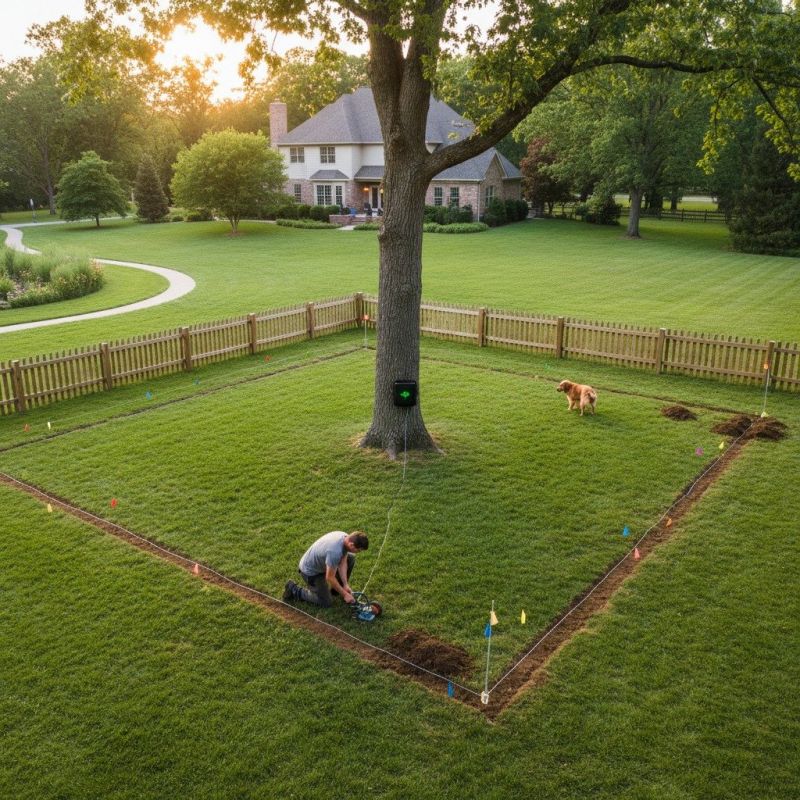
This section helps you compare livestock fencing installation contractors by defining scope, verifying experience, and setting clear expectations.
- Project Scope - Clearly define the extent of fencing installation, including property boundaries and fencing materials.
- Experience Verification - Confirm that local contractors have relevant experience with livestock fencing projects.
- Material Specifications - Specify the types of fencing materials to be used and their suitability for livestock needs.
- Design and Layout - Outline the fencing design, including gate placement and access points, to meet livestock management requirements.
- Written Agreement - Ensure all project details, expectations, and responsibilities are documented in a formal agreement.
When comparing contractors for livestock fencing installation, it is important to evaluate their experience with similar projects. Seek out service providers who have a proven track record of completing livestock fencing in settings comparable to your property. Inquire about the types of fencing they have installed, the size and scope of past projects, and any specialized techniques they employ. Contractors with relevant experience are more likely to understand the unique challenges of livestock fencing and deliver results that meet your needs.
A clear and detailed written scope of work is essential for effectively comparing options. A reputable contractor should be able to provide a comprehensive outline of the tasks involved, including materials, installation methods, and the extent of work covered. This documentation helps ensure that all parties have a shared understanding of the project expectations and can serve as a basis for evaluating the thoroughness and professionalism of each service provider.
Verifying the basics of a contractor’s background is a key step in the selection process. Confirm that the service providers have a history of completing livestock fencing projects successfully in your area. It can also be helpful to review references or previous client feedback to gauge the quality of their work and professionalism. Ensuring that contractors have a solid foundation of experience and a good reputation can contribute to a smoother project process.
When evaluating options, focus on how well each contractor’s proposal aligns with your project needs and expectations. Consider the clarity of their scope of work, the level of detail provided, and their understanding of your fencing requirements. Comparing these aspects can help identify service providers who are thorough and communicative, reducing the likelihood of misunderstandings or surprises during the project. This approach supports making an informed decision based on the contractor’s expertise and approach rather than price alone.
Ask contractors to provide written scope details to ensure clear expectations and consistent project understanding.
- Experience and Credentials - What experience do the local contractors have with livestock fencing installation in similar environments?
- Scope of Work - How do the service providers define the scope of the fencing project to ensure all needs are addressed?
- Materials and Techniques - What types of fencing materials and installation techniques do the local contractors recommend for livestock enclosures?
- Project Expectations - How will the service providers clarify project expectations and deliverables in writing before starting?
- Comparison Criteria - What factors should be considered when comparing different local contractors to choose the best fit for the fencing project?
What should I consider when choosing a livestock fencing installation contractor? It's important to evaluate their experience with similar projects, verify their reputation through references or reviews, and ensure they clearly define the scope of work in writing to set proper expectations.
How can I compare different contractors for livestock fencing? Comparing contractors involves reviewing their past work, checking their credentials or references, and requesting detailed descriptions of the services they offer to ensure consistency and clarity.
What questions should I ask a contractor before hiring for fencing installation? Ask about their experience with livestock fencing, the types of fencing materials they recommend, and whether they provide a written scope of work to clarify project details and responsibilities.
Why is it important to have a written scope of work with a contractor? A written scope helps define the project boundaries, responsibilities, and expectations, reducing misunderstandings and ensuring both parties agree on the work to be performed.
How can I verify a contractor's experience with livestock fencing? You can ask for references, review their portfolio of completed projects, or inquire about their familiarity with different fencing materials and livestock needs.
What are some key factors to consider when defining the scope of a fencing project? Clearly outline the type of fencing, the length and layout, materials to be used, and any additional features or requirements to ensure the project meets specific needs and expectations.
This overview highlights the importance of choosing experienced, reliable service providers for livestock fencing installation. Visitors learned how to define the scope of their project, verify the background of local contractors, and ensure that all expectations are clearly outlined in writing. By comparing multiple options, it becomes easier to identify the best match for specific needs and preferences.
Using the quote form can help connect with qualified local contractors who specialize in livestock fencing. This process allows for straightforward comparison of available service providers, making it easier to find the right fit for the project. Taking the time to evaluate and communicate expectations upfront can support a smooth and successful fencing installation.